
YESCARTA demonstrated a well-characterized safety profile; AEs were managed per established guidance1

Consistent safety profile in both clinical trials and the real world1,2

2L and 3L trials

2L Trial

ZUMA-7*: safety was evaluated in 168 patients with primary refractory or first relapse of LBCL treated with YESCARTA1

3L Trial

ZUMA-1: Phase 2, open-label, single-arm multicenter trial of YESCARTA in 101 adults with R/R aggressive B-cell lymphoma1,3

  • No Grade 5 CRS or neurologic toxicities in ZUMA-74*
  • Both CRS and neurologic toxicities, including fatal or life-threatening reactions, occurred following treatment with YESCARTA1
  • Consider the use of prophylactic corticosteroids in patients after weighing the potential benefits and risks1
  • Authorized Treatment Centers are trained to manage short-term AEs that may occur1

*Study 1. See “14.1 Relapsed or Refractory Large B-Cell Lymphoma” in the Prescribing Information for YESCARTA.

Study 2. See “14.1 Relapsed or Refractory Large B-Cell Lymphoma” in the Prescribing Information for YESCARTA.

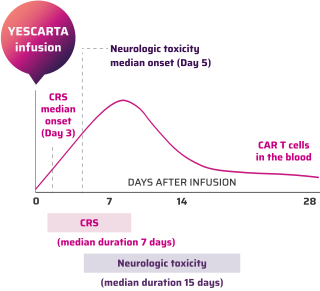
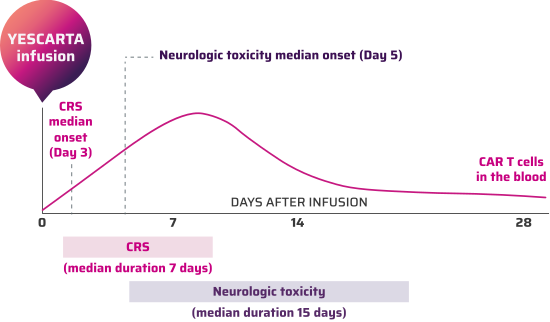
In 2L, most cases of cytokine release syndrome (CRS) and neurologic toxicities occurred early and resolved quickly1

CRS and neurologic toxicities in ZUMA-7* were manageable by current practice guidelines1
CRS incidence

Any Grade

92%

Grade 3–4

7%

Neurologic toxicities incidence

Any Grade

74%

Grade 3–4

25%

No Grade 5 CRS or neurologic toxicities in ZUMA-7.4*

Primary oncologist: Long-term monitoring

Long-term AEs (>30 days)
Patients may need ongoing monitoring and supportive care for late-phase toxicities with their primary oncologist.1,5
Hypogammaglobulinemia
Infections
Secondary malignancies
Delayed CRS
Delayed neurotoxicity
Late-onset/prolonged cytopenias

Reactions observed in ≥10% of patients treated with YESCARTA in ZUMA-71*

ADVERSE REACTION(N=168) Any grade (%) Grade 3 or higher (%)
Blood and lymphatic system disorder
Febrile neutropenia 31 31
Cardiac disorders
Tachycardia§ 43 2
Arrhythmia§ 14 3
Gastrointestinal disorders
Diarrheaa 42 3
Nausea 40 2
Abdominal pain§ 20 4
Constipation 20 0
Vomiting 20 0
Dry mouth 10 0
General disorders and administration-site conditions
Fever§ 93 9
Fatigue§ 52 7
Chills 28 1
Edema§ 23 1
Immune system disorders
Cytokine release syndromeb 92 7
Hypogammaglobulinemia Hypogamma-globulinemia 11 0
Infections and infestations
Infections with pathogen unspecified 25 8
Viral infections 15 4
Bacterial infections 10 5
Fungal infections 10 1
ADVERSE REACTION(N=168) Any grade (%) Grade 3 or higher (%)
Metabolism and nutrition disorders
Decreased appetite 24 4
Musculoskeletal and connective tissue disorders
Musculoskeletal pain§ 40 1
Motor dysfunctionc 15 4
Nervous system disorders
Encephalopathyd 46 18
Headache§ 41 3
Tremor 25 1
Dizziness§ 25 4
Aphasia 20 7
Neuropathy peripheral§ 11 2
Psychiatric disorders
Insomnia§ 13 0
Deliriume 12 4
Renal and urinary disorders
Renal insufficiency§ 11 2
Respiratory, thoracic, and mediastinal disorders
Cough§ 27 1
Hypoxia 21 9
Skin and subcutaneous tissue disorders
Rash§ 17 1
Vascular disorders
Hypotension 47 11

No Grade 5 CRS or neurologic toxicities in ZUMA-7.4*

§Represents a composite of multiple, related preferred terms.

aDiarrhea includes diarrhea, colitis.

bCRS includes coagulopathy, tachycardia, arrhythmia, cardiac failure, diarrhea, nausea, vomiting, fever, fatigue, chills, edema, decreased appetite, musculoskeletal pain, headache, tremor, dizziness, renal insufficiency, cough, hypoxia, dyspnea, pleural effusion, respiratory failure, rash, hypotension, and hypertension.

cMotor dysfunction includes muscle contractions involuntary, muscle spasms, muscle twitching, muscular weakness.

dEncephalopathy includes encephalopathy, altered state of consciousness, amnesia, apraxia, bradyphrenia, cognitive disorder, confusional state, depressed level of consciousness, disturbance in attention, dysarthria, dysgraphia, dyspraxia, lethargy, loss of consciousness, memory impairment, mental impairment, mental status changes, metabolic encephalopathy, slow speech, somnolence, toxic encephalopathy.

eDelirium includes delirium, agitation, delusion, disorientation, hallucination, irritability, restlessness.

Grade 3-4 laboratory abnormalities occurring in ≥10% of patients following treatment with YESCARTA in ZUMA-7* (N=168) were leukocyte decrease (95%), neutrophil decrease (94%), lymphocyte decrease (94%), hemoglobin decrease (40%), platelet decrease (26%), sodium decrease (12%), and glucose increase (11%). Baseline lab values were assessed prior to lymphodepleting chemotherapy.

In 3L, most cases of CRS and neurologic toxicities occurred early and resolved quickly1

CRS incidence (N=108)1

94%

Overall incidence

Median time to onset

2 DAYS(range: 1 to 12 days)

13%

Grade ≥3 incidence

Median duration

7 DAYS(range: 2 to 58 days)

Neurologic toxicities incidence (N=108)1

87%

Overall incidence

Median time to onset

4 DAYS(range: 1 to 43 days)

31%

Grade ≥3 incidence

Median duration

17 DAYS

Reactions observed in ≥10% of patients treated with YESCARTA in ZUMA-11†

ADVERSE REACTION(N=108) Any grade (%) Grade 3 or higher (%)
Blood and lymphatic system disorders
Febrile neutropenia 34 31
Cardiac disorders
Tachycardia|| 57 2
Arrhythmia|| 23 7
Gastrointestinal disorders
Diarrhea 38 4
Nausea 34 0
Vomiting 26 1
Constipation 23 0
Abdominal pain|| 14 1
Dry mouth 11 0
General disorders and administration-site conditions
Fevera 86 16
Fatigue|| 46 3
Chills 40 0
Edema|| 19 1
Immune system disorders
Cytokine release syndromeb 94 13
Hypogamma-
globulinemia||
15 0
Infections and infestations
Infections with pathogen unspecified 26 16
Viral infections 16 4
Bacterial infections 13 9
Investigations
Decreased appetite 44 2
Weight decreased 16 0
Dehydration 11 3
ADVERSE REACTION(N=108) Any grade (%) Grade 3 or higher (%)
Musculoskeletal and connective tissue disorders
Motor dysfunctionc 19 1
Pain in extremity|| 17 2
Back pain 15 1
Muscle pain 14 1
Arthralgia 10 0
Nervous system disorders
Encephalopathyd 57 29
Headache|| 45 1
Tremor 31 2
Dizziness|| 21 1
Aphasia|| 18 6
Psychiatric disorders
Deliriume 17 6
Respiratory, thoracic, and mediastinal disorders
Hypoxia|| 32 11
Cough|| 30 0
Dyspneaf 19 3
Pleural effusion 13 2
Renal and urinary disorders
Renal insufficiency 12 5
Vascular disorders
Hypotension|| 57 15
Hypertension 15 6
Thrombosisg 10 1

||Represents a composite of multiple, related preferred terms.

aFever includes fever, febrile neutropenia.

bCRS includes tachycardia, arrhythmia, fever, chills, hypoxia, renal insufficiency, and hypotension.

cMotor dysfunction includes muscle spasms, muscular weakness.

dEncephalopathy includes cognitive disorder, confusional state, depressed level of consciousness, disturbance in attention, encephalopathy, hypersomnia, leukoencephalopathy, memory impairment, mental status changes, paranoia, somnolence, stupor.

eDelirium includes agitation, delirium, delusion, disorientation, hallucination, hyperactivity, irritability, restlessness.

fDyspnea includes acute respiratory failure, dyspnea, orthopnea, respiratory distress.

gThrombosis includes deep vein thrombosis, embolism, embolism venous, pulmonary embolism, splenic infarction, splenic vein thrombosis, subclavian vein thrombosis, thrombosis, thrombosis in device.

Grade 3-4 laboratory abnormalities occurring in ≥10% of patients following treatment with YESCARTA in ZUMA-1 (N=108) were lymphocyte decrease (96%), leukocyte decrease (96%), neutrophil decrease (92%), hemoglobin decrease (60%), platelet decrease (56%), phosphate decrease (52%), sodium decrease (19%), and albumin decrease (19%), direct bilirubin increased (14%), uric acid increased (13%), and potassium decrease (11%). Baseline lab values were assessed prior to lymphodepleting chemotherapy.1

In 3L, safety management strategies were specifically developed to help reduce incidence of CRS and neurologic toxicities1

Early and prophylactic use of corticosteroids and/or tocilizumab were evaluated in 2 additional studies in ZUMA-11,6,7*

  • Cohort 4: The first subsequent, open label, safety-management study that evaluated the early use of corticosteroids and/or tocilizumab and prophylactic levetiracetam intervention for Grade 1 cytokine release syndrome (CRS) or neurologic toxicity in patients treated with YESCARTA. Median age of patients in Cohort 4: 61 (range: 19-77)1,7
  • Cohort 6: Evaluated the effects of prophylactic corticosteroid and levetiracetam use + earlier corticosteroid and/or tocilizumab intervention. Median age of patients in Cohort 6: 64.5 (range: 37-85)1,8

Please see full study design below.

Incidence of CRS and neurologic toxicities per safety-management strategy
ZUMA-1 pivotal trial (N=108)1 Cohort 4 study (N=41)1,6 Cohort 6: original
analysis (N=39)1,7
Cohort 6: 2-year
follow-up (N=40)8
CRS
Overall incidence 94% 93% 79% 80%
Grade ≥3 incidence 13% 2% 0% 0%
Median time to onset 2 DAYS(range: 1 to 12 days) 2 DAYS(range: 1 to 8 days) 5 DAYS(range: 1 to 15 days) 5 DAYS(range: 1 to 15 days)
Median duration 7 DAYS(range: 2 to 58 days) 7 DAYS(range: 2 to 16 days) 4 DAYS(range: 1 to 10 days) 4 DAYS(range: 1 to 11 days)
NEUROLOGIC TOXICITIES
Overall incidence 87% 78% 85% 58%
Grade ≥3 incidence 31% 2% 13% 18%
Median time to onset 4 DAYS(range: 1 to 43 days) 6 DAYS(range: 1 to 93 days) 6 DAYS(range: 1 to 274 days) 6 DAYS(range: 2 to 162 days)
Median duration 17 DAYS 8 DAYS(range: 1 to 144 days) 12 DAYS(range: 1 to 107 days) 19 DAYS(range: 1 to 438 days)

Scroll to view table

  • 68% of patients in Cohort 6 did not have any CRS or neurologic toxicities in the first 3 days after receiving YESCARTA7
  • Both CRS and neurologic toxicities, including fatal or life-threatening reactions, occurred following treatment with YESCARTA1
  • Most cases of CRS and neurologic toxicities occurred early and resolved within the first few weeks after treatment1
  • Consider the use of prophylactic corticosteroids in patients after weighing the potential benefits and risks1
  • Authorized Treatment Centers are trained to manage short-term AEs that may occur1

COHORTS 4 AND 6 ALSO EVALUATED EFFICACY IN PATIENTS TREATED WITH EARLY AND PROPHYLACTIC CORTICOSTEROIDS AND/OR TOCILIZUMAB

Similar efficacy results were observed in the clinical trial setting based on the safety management guidelines1,6,7

Cohort 4: Management with early steroid and/or tocilizumab use (N=41)1,6
73%

Objective response rate (ORR)

51%

Complete remission (CR) rate

Median DOR

NR

(95% CI, NE-NE)

Median follow-up: 14.8 months Number of responders=30

Cohort 6: Management with prophylactic steroid and/or tocilizumab use (N=40)1,7,8
95%

Objective response rate (ORR)

80%

Complete remission (CR) rate

Median DOR

NR

(95% CI, 5.3-NE)

KM DOR median follow-up: 5.8 months Number of responders=38

Cohort 6: 2-year follow-up (N=40)7,8
95%

Objective response rate (ORR)

80%

Complete remission (CR) rate

Median DOR

25.9MONTHS

(95% CI, 7.8-NE)

Median follow-up: 26.9 months Number of responders=38

  • Response rate and DOR data from the additional safety-management study are descriptive; no formal hypothesis testing was performed, and these data should be carefully interpreted in light of the single-arm design. Efficacy data are not included in the Prescribing Information for YESCARTA1,6
  • Differences in disease characteristics and eligibility criteria between the safety-management study and pivotal trial may have affected outcomes6
  • The safety-management study allowed bridging therapy1,8
  • Response assessment was based on investigator assessment and responses were not confirmed by IRC8
  • Consider the use of prophylactic corticosteroids in patients after weighing the potential benefits and risks1

Study design

Cohort 4: Management with early steroids and/or tocilizumab
Cohort 4 study design
  • The first subsequent safety-management, phase 2, multicenter, open-label study evaluating the safety and efficacy of YESCARTA in subjects with R/R LBCL1,7
  • 46 patients with R/R DLBCL, PMBCL, TFL, or HGBCL after ≥2 lines of systemic therapy were enrolled, and 41 were treated with YESCARTA to assess the early use of corticosteroids and/or tocilizumab for Grade 1 CRS or neurologic toxicities1,6
  • Optional bridging chemotherapy was permitted1
    • 28 patients (68%) treated with YESCARTA received bridging therapy between leukapheresis and lymphodepleting chemotherapy
  • Median age of patients in Cohort 4: 61 (range: 19-77)6
Cohort 6: Management with prophylactic steroids and/or tocilizumab
Cohort 6 study design
  • A second subsequent open-label, safety-management cohort of 39 patients with LBCL, investigating the effects of prophylactic corticosteroid and levetiracetam use plus earlier corticosteroid and/or tocilizumab intervention on the incidence of CRS and neurologic toxicities in YESCARTA-treated patients with R/R LBCL1,7
  • Response rate and DOR analysis evaluated 40 YESCARTA patients, including 1 patient who only received 1 dose of the 3-day prophylactic regimen of corticosteroids.7 The safety analysis (n=39) consisted of patients who received the full prophylactic treatment with corticosteroids1
  • Following leukapheresis, patients could receive optional bridging therapy per investigator discretion7
    • 53% of patients (21/40) received bridging therapy prior to YESCARTA7
  • The 2-year follow-up analysis reported updated safety outcomes for 40 patients with LBCL in Cohort 6, with a median follow-up time of 26.9 months8†
    • No new CRS events were reported at the 2-year follow-up8
    • 1 patient experienced Grade 5 neurologic toxicity8
  • Median age of patients in Cohort 6: 64.5 (range: 37-85)7

*Study 2. See “14.1 Relapsed or Refractory Large B-Cell Lymphoma” in the Prescribing Information for YESCARTA.

The 2-year follow-up analysis reported safety outcomes for 40 YESCARTA patients, including 1 patient who received only 1 dose of the 3-day prophylactic regimen of corticosteroids.7,8

card-icon-9
card-icon-10

2L=second line; 3L=third line; AE=adverse event; CAR=chimeric antigen receptor; CR=complete response; CI=confidence interval; CRS=cytokine release syndrome; DLBCL=diffuse large B-cell lymphoma; DOR=duration of response; ECOG PS=Eastern Cooperative Oncology Group performance status; HDT=high-dose therapy; HGBCL=high-grade B-cell lymphoma; ICU=intensive care unit; IRC=independent review committee; KM=Kaplan-Meier; LBCL=large B-cell lymphoma; NE=not estimable; ORR=objective response rate; PMBCL=primary mediastinal large B-cell lymphoma; R/R=relapsed/refractory; TFL=transformed follicular lymphoma.

Tap for Important Safety Information, including BOXED WARNING.

IMPORTANT SAFETY INFORMATION

WARNING: CYTOKINE RELEASE SYNDROME, NEUROLOGIC TOXICITIES, and SECONDARY HEMATOLOGICAL MALIGNANCIES

  • Cytokine Release Syndrome (CRS), including fatal or life-threatening reactions, occurred in patients receiving YESCARTA. Do not administer YESCARTA to patients with active infection or inflammatory disorders. Treat severe or life-threatening CRS with tocilizumab or tocilizumab and corticosteroids.
  • Neurologic toxicities, including fatal or life-threatening reactions, occurred in patients receiving YESCARTA, including concurrently with CRS or after CRS resolution. Monitor for neurologic toxicities after treatment with YESCARTA. Provide supportive care and/or corticosteroids as needed.
  • T cell malignancies have occurred following treatment of hematologic malignancies with BCMA- and CD19-directed genetically modified autologous T cell immunotherapies, including YESCARTA.

CYTOKINE RELEASE SYNDROME (CRS)

CRS, including fatal or life-threatening reactions, occurred following treatment with YESCARTA. CRS occurred in 90% (379/422) of patients with non-Hodgkin lymphoma (NHL), including ≥ Grade 3 CRS in 9%. CRS occurred in 93% (256/276) of patients with large B-cell lymphoma (LBCL), including ≥ Grade 3 in 9%. Among patients with LBCL who died after receiving YESCARTA, 4 had ongoing CRS events at the time of death. For patients with LBCL in Study 2, the median time to onset of CRS was 2 days following infusion (range: 1-12 days) and the median duration was 7 days (range: 2-58 days). For patients with LBCL in Study 1, the median time to onset of CRS was 3 days following infusion (range: 1-10 days) and the median duration was 7 days (range: 2-43 days).

CRS occurred in 84% (123/146) of patients with indolent non-Hodgkin lymphoma (iNHL) in Study 3, including ≥ Grade 3 CRS in 8%. Among patients with iNHL who died after receiving YESCARTA, 1 patient had an ongoing CRS event at the time of death. The median time to onset of CRS was 4 days (range: 1-20 days) and median duration was 6 days (range: 1-27 days) for patients with iNHL.

Key manifestations of CRS (≥ 10%) in all patients combined included fever (85%), hypotension (40%), tachycardia (32%), chills (22%), hypoxia (20%), headache (15%), and fatigue (12%). Serious events that may be associated with CRS include, cardiac arrhythmias (including atrial fibrillation and ventricular tachycardia), renal insufficiency, cardiac failure, respiratory failure, cardiac arrest, capillary leak syndrome, multi-organ failure, and hemophagocytic lymphohistiocytosis/macrophage activation syndrome (HLH/MAS).

The impact of tocilizumab and/or corticosteroids on the incidence and severity of CRS was assessed in 2 subsequent cohorts of LBCL patients in Study 2. Among patients who received tocilizumab and/or corticosteroids for ongoing Grade 1 events, CRS occurred in 93% (38/41), including 2% (1/41) with Grade 3 CRS; no patients experienced a Grade 4 or 5 event. The median time to onset of CRS was 2 days (range: 1-8 days) and the median duration of CRS was 7 days (range: 2-16 days). Prophylactic treatment with corticosteroids was administered to a cohort of 39 patients for 3 days beginning on the day of infusion of YESCARTA. Thirty-one of the 39 patients (79%) developed CRS and were managed with tocilizumab and/or therapeutic doses of corticosteroids with no patients developing ≥ Grade 3 CRS. The median time to onset of CRS was 5 days (range: 1-15 days) and the median duration of CRS was 4 days (range: 1-10 days). Although there is no known mechanistic explanation, consider the risk and benefits of prophylactic corticosteroids in the context of pre-existing comorbidities for the individual patient and the potential for the risk of Grade 4 and prolonged neurologic toxicities.

Confirm that 2 doses of tocilizumab are available prior to infusion of YESCARTA. Monitor patients at least daily for 7 days following infusion for signs and symptoms of CRS. Monitor patients for signs or symptoms of CRS for 2 weeks after infusion. Counsel patients to seek immediate medical attention should signs or symptoms of CRS occur at any time. At the first sign of CRS, institute treatment with supportive care, tocilizumab, or tocilizumab and corticosteroids as indicated.

NEUROLOGIC TOXICITIES

Neurologic toxicities including immune effector cell-associated neurotoxicity syndrome (ICANS) that were fatal or life-threatening occurred following treatment with YESCARTA. Neurologic toxicities occurred in 78% (330/422) of patients with NHL (excluding central nervous system lymphoma) receiving YESCARTA, including ≥ Grade 3 in 25% in Study 1, Study 2, and Study 3.

Neurologic toxicities occurred in 87% (94/108) of patients with LBCL in Study 2, including ≥ Grade 3 in 31% and in 74% (124/168) of patients in Study 1 including ≥ Grade 3 in 25%. The median time to onset was 4 days (range: 1-43 days) and the median duration was 17 days for patients with LBCL in Study 2. The median time to onset for neurologic toxicity was 5 days (range: 1-133 days) and median duration was 15 days in patients with LBCL in Study 1. Neurologic toxicities occurred in 77% (112/146) of patients with iNHL, including 
≥ Grade 3 in 21%. The median time to onset was 6 days (range: 1-79 days) and the median duration was 16 days. Ninety-eight percent of all neurologic toxicities in patients with LBCL and 99% of all neurologic toxicities in patients with iNHL occurred within the first 8 weeks of YESCARTA infusion. Neurologic toxicities occurred within the first 7 days of infusion in 87% of affected patients with LBCL and 74% of affected patients with iNHL.

The most common neurologic toxicities (≥ 10%) in all patients combined included encephalopathy (50%), headache (43%), tremor (29%), dizziness (21%), aphasia (17%), delirium (15%), and insomnia (10%). Prolonged encephalopathy lasting up to 173 days was noted. Serious events, including aphasia, leukoencephalopathy, dysarthria, lethargy, and seizures occurred. Fatal and serious cases of cerebral edema and encephalopathy, including late-onset encephalopathy, have occurred. Cerebral edema occurred at a higher frequency in patients with primary mediastinal large B-cell lymphoma (PMBCL).

The impact of tocilizumab and/or corticosteroids on the incidence and severity of neurologic toxicities was assessed in 2 subsequent cohorts of LBCL patients in Study 2. Among patients who received corticosteroids at the onset of Grade 1 toxicities, neurologic toxicities occurred in 78% (32/41) and 20% (8/41) had Grade 3 neurologic toxicities; no patients experienced a Grade 4 or 5 event. The median time to onset of neurologic toxicities was 6 days (range: 1-93 days) with a median duration of 8 days (range: 1-144 days). Prophylactic treatment with corticosteroids was administered to a cohort of 39 patients for 3 days beginning on the day of infusion of YESCARTA. Of those patients, 85% (33/39) developed neurologic toxicities; 8% (3/39) developed Grade 3 and 5% (2/39) developed Grade 4 neurologic toxicities. The median time to onset of neurologic toxicities was 6 days (range: 1-274 days) with a median duration of 12 days (range: 1-107 days). Prophylactic corticosteroids for management of CRS and neurologic toxicities may result in higher grade of neurologic toxicities or prolongation of neurologic toxicities, delay the onset, and decrease the duration of CRS.

Neurologic toxicities occurred in 85% (11/13) of patients with relapsed/refractory primary central nervous system lymphoma (PCNSL) in Study 4. 31% (4/13) of patients had Grade 3 neurologic toxicities. The median time to onset of neurologic toxicities was 3 days (range: 1 to 9 days) and the median time to onset of first Grade ≥ 3 neurologic toxicity was 9.5 days (range: 5 to 158 days). The median duration of neurologic toxicities was 59 days (range: 52 to 87 days) while 45% (5/11) of patients had ongoing neurological toxicities at the time of study withdrawal, death, or data cut off. The most common neurologic toxicities (≥ 10%) in patients with PCNSL included confusional state (38%), headache (31%), somnolence (31%), disturbance in attention (23%), lethargy (23%), tremor (23%), gait disturbance (15%), hypersomnia (15%), insomnia (15%), and seizures (15%).

Monitor patients for signs and symptoms of neurologic toxicities following infusion at least daily for 7 days; and for 2 weeks thereafter and treat promptly. In patients with PMBCL, closely monitor for signs and symptoms of cerebral edema. Advise patients to avoid driving for at least 2 weeks following infusion.

HYPERSENSITIVITY REACTIONS

Allergic reactions may occur with the infusion of YESCARTA. Serious hypersensitivity reactions, including anaphylaxis, may be due to dimethyl sulfoxide (DMSO) or residual gentamicin in YESCARTA.

SERIOUS INFECTIONS

Severe or life-threatening infections occurred after YESCARTA infusion. Infections (all grades) occurred in 45% of patients with NHL. Grade 3 or higher infections occurred in 17% of patients, including ≥ Grade 3 infections with an unspecified pathogen in 12%, bacterial infections in 5%, viral infections in 3%, and fungal infections in 1%. YESCARTA should not be administered to patients with clinically significant active systemic infections. Monitor patients for signs and symptoms of infection before and after infusion and treat appropriately. Administer prophylactic antimicrobials according to local guidelines.

Febrile neutropenia was observed in 36% of patients with NHL and may be concurrent with CRS. In the event of febrile neutropenia, evaluate for infection and manage with broad-spectrum antibiotics, fluids, and other supportive care as medically indicated.

In immunosuppressed patients, including those who have received YESCARTA, life-threatening and fatal opportunistic infections including disseminated fungal infections (e.g., candida sepsis and aspergillus infections) and viral reactivation (e.g., human herpes virus-6 [HHV-6] encephalitis and JC virus progressive multifocal leukoencephalopathy [PML]) have been reported. The possibility of HHV-6 encephalitis and PML should be considered in immunosuppressed patients with neurologic events and appropriate diagnostic evaluations should be performed.

Hepatitis B virus (HBV) reactivation, in some cases resulting in fulminant hepatitis, hepatic failure, and death, has occurred in patients treated with drugs directed against B cells, including YESCARTA. Perform screening for HBV, HCV, and HIV and management in accordance with clinical guidelines before collection of cells for manufacturing.

PROLONGED CYTOPENIAS

Patients may exhibit cytopenias for several weeks following lymphodepleting chemotherapy and YESCARTA infusion. Grade 3 or higher cytopenias not resolved by Day 30 following YESCARTA infusion occurred in 39% of all patients with NHL and included neutropenia (33%), thrombocytopenia (13%), and anemia (8%). Monitor blood counts after infusion.

HYPOGAMMAGLOBULINEMIA

B-cell aplasia and hypogammaglobulinemia can occur in patients receiving YESCARTA. Hypogammaglobulinemia was reported as an adverse reaction in 14% of all patients with NHL. Monitor immunoglobulin levels after treatment and manage using infection precautions, antibiotic prophylaxis, and immunoglobulin replacement.

The safety of immunization with live viral vaccines during or following YESCARTA treatment has not been studied. Vaccination with live virus vaccines is not recommended for at least 6 weeks prior to the start of lymphodepleting chemotherapy, during YESCARTA treatment, and until immune recovery following treatment.

SECONDARY MALIGNANCIES

Patients treated with YESCARTA may develop secondary malignancies. T cell malignancies have occurred following treatment of hematologic malignancies with BCMA- and CD19-directed genetically modified autologous T cell immunotherapies, including YESCARTA. Mature T cell malignancies, including CAR-positive tumors, may present as soon as weeks following infusion, and may include fatal outcomes.

Monitor life-long for secondary malignancies. In the event that a secondary malignancy occurs, contact Kite at 1-844-454-KITE (5483) to obtain instructions on patient samples to collect for testing.

ADVERSE REACTIONS

The most common adverse reactions (incidence ≥ 30%) in:

  • patients with LBCL in Study 1 included fever, CRS, fatigue, hypotension, encephalopathy, tachycardia, diarrhea, headache, musculoskeletal pain, nausea, and febrile neutropenia.
  • patients with LBCL in Study 2 included CRS, fever, hypotension, encephalopathy, tachycardia, fatigue, headache, decreased appetite, chills, diarrhea, febrile neutropenia, nausea, hypoxia, tremor, and cough.
  • patients with PCNSL in Study 4 included sinus tachycardia, CRS, pyrexia, headache, encephalopathy, hypotension, diarrhea, vomiting, chills, fatigue, musculoskeletal pain, hypoxia, rash maculo-papular, cough, nausea, constipation, musculoskeletal weakness, dizziness, thrombosis, gait disturbance, weight decreased, tremor, insomnia, and dyspnea.

The most common (≥30%) Grade 3-4 laboratory abnormalities in:

  • patients with LBCL in Study 1 included leukocyte decrease, neutrophil decrease, lymphocyte decrease, and hemoglobin decrease.
  • patients with LBCL in Study 2 included lymphocyte decrease, leukocyte decrease, neutrophil decrease, hemoglobin decrease, platelet decrease, and phosphate decrease.

Please see full Prescribing Information, including BOXED WARNING and Medication Guide.

Authorized Treatment Centers are independent facilities that dispense Kite CAR T therapies. Choice of an Authorized Treatment Center is within the sole discretion of the physician and patient. Kite does not endorse any individual treatment sites.

INDICATIONS

YESCARTA® is a CD19-directed genetically modified autologous T cell immunotherapy indicated for the treatment of:

  • Adult patients with large B-cell lymphoma that is refractory to first-line chemoimmunotherapy or that relapses within 12 months of first-line chemoimmunotherapy.
  • Adult patients with relapsed or refractory large B-cell lymphoma after two or more lines of systemic therapy, including diffuse large B-cell lymphoma (DLBCL) not otherwise specified, primary mediastinal large B-cell lymphoma, high grade B-cell lymphoma, and DLBCL arising from follicular lymphoma.

References: 1. YESCARTA® (axicabtagene ciloleucel). Prescribing Information. Kite Pharma, Inc; 2026. 2. Nastoupil LJ, Jain MD, Feng L, et al. Standard-of-care axicabtagene ciloleucel for relapsed or refractory large B-cell lymphoma: results from the US Lymphoma CAR T Consortium. J Clin Oncol. 2020;38(27):3119-3128. 3. Locke FL, Ghobadi A, Jacobson CA, et al. Long-term safety and activity of axicabtagene ciloleucel in refractory large B-cell lymphoma (ZUMA-1): a single-arm, multicentre, phase 1–2 trial. Lancet Oncol. 2019;20(1):31-42. 4. Locke FL, Miklos DB, Jacobson CA, et al. Axicabtagene ciloleucel as second-line therapy for large B-cell lymphoma. N Engl J Med. 2022;386(7):640-654. 5. Geethakumari PR, Ramasamy DP, Dholaria B, Berdeja J, Kansagra A. Balancing quality, cost, and access during delivery of newer cellular and immunotherapy treatments. Curr Hematol Malig Rep. 2021;16(4):345-346. doi:10.1007/s11899-021-00635-3 6. Topp MS, van Meerten T, Houot R, et al. Earlier corticosteroid use for adverse event management in patients receiving axicabtagene ciloleucel for large B-cell lymphoma. Br J Haematol. 2021;195(3):388-398. 7. Oluwole OO, Bouabdallah K, Muñoz J, et al. Prophylactic corticosteroid use in patients receiving axicabtagene ciloleucel for large B-cell lymphoma. Br J Haematol. 2021;194(4):690-700. 8. Oluwole OO, Forcade E, Muñoz J, et al. Long-term outcomes of patients with large B-cell lymphoma treated with axicabtagene ciloleucel and prophylactic corticosteroids. Bone Marrow Transplant. 2024;59(3):366-372.